Food Made Good Standard

The Food Made Good Standard is the world’s largest sustainability certification designed for food and beverage businesses including restaurants, caterers, bars, cafés and hotels. Tailored for the sector it assesses behaviour, measures action, celebrates progress and provides a customised roadmap for improvement. With a holistic approach that includes every aspect of what sustainability means in today’s environment, the Standard is rooted in practical actions that any UAE food service business can take, providing clear direction, support and – ultimately – a respected, recognized third party certification that customers and stakeholders can trust. Why is this important for the UAE hospitality and restaurant industry? The food and beverage industries behind the global food system, are directly responsible for 30% of global GHG emissions. The hospitality industry contributes significantly to this figure and in the UAE, consider the vital role that we play: AED6 billion worth of food is wasted annually in the UAE The UAE hospitality sector employs 1 in 10 people and 60% are women 80% – 90% of all food consumed in the UAE is imported UAE has one of the lowest water supplies in the region and >80% of our agriculture uses groundwater The UAE has a national strategy to reduce food waste by 50% by 2030 The Food Made Good Standard is one of the easiest ways to access a more sustainable journey. Each step counts and there is no better time to begin than today.
ESG Support & Aligning to the SDGs
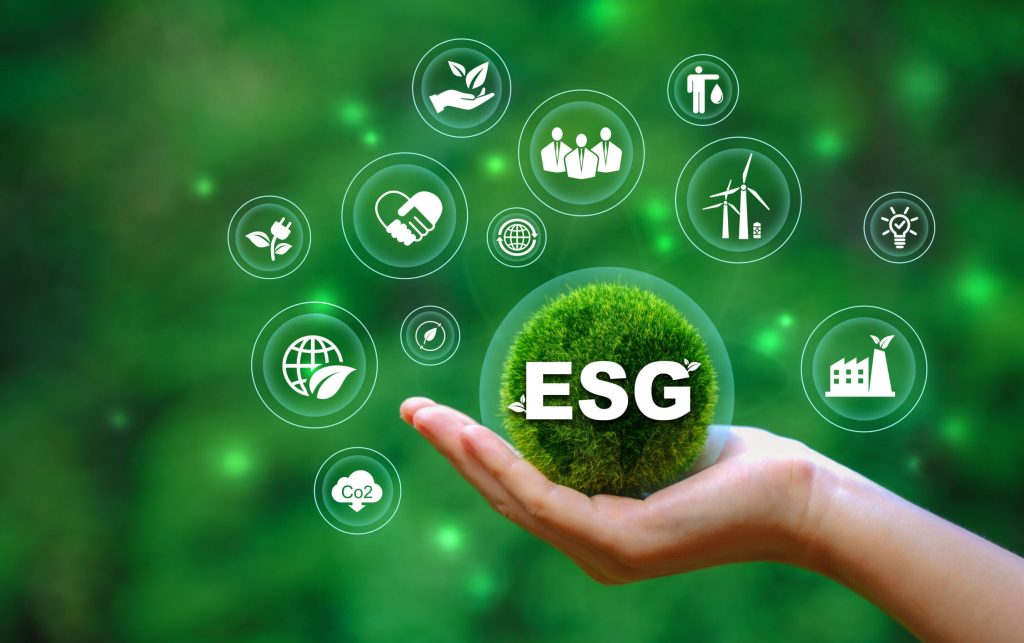
Thriving Solutions helps institutions realize the potential positive impact they can achieve by aligning to the Global Sustainable Development Agenda 2030 and the Sustainable Development Goals (SDGs), with a focus on programs related to the water-food-energy-climate nexus. We know that not all SDGs relate to all businesses but we have the knowledge to find the appropriate SDG targets, to incorporate within each individual business model and culture. Embracing a sustainable path that considers how to operate and create value within the economic, social and natural ecosystem that the institution operates in, is a necessity that institutions can no longer forego. In addition to the social, environmental and economic contributions, these initiatives can reduce costs, improve employee and customer satisfaction, enhance brand image, improve competitive advantage and generate new business opportunities. The sustainability strategy has the means to impact the bottom line and maximize economic benefits while improving the environment and local community in a transparent manner. It can also include consistent long-term advisory support to oversee both the creation and implementation of the sustainability strategy. Sustainability related services include but are not limited to: Develop strategic sustainability plans / strategies. Formulate and identify KPIs. Improve community involvement and volunteer programs (society). Promote local partnerships with institutions / schools / academia / government / NGOs to achieve society related goals. Develop communication strategy to build relationships with key sustainable stakeholders. Preparing necessary documents and reporting in a transparent manner.
Communicating Sustainability Effectively

Thriving Solutions’ interventions are focused on formulating behavioral change and communication strategies, designing and leading programs and campaigns that aim to change policies and laws, build alliances around key initiatives, and change specific perceptions and behaviors of targeted groups. In doing so, we look for and focus on key pressure Points, People and Places (PPP) where a small push can make a huge difference. Through working with the essential stakeholders and using a variety of channels that are appropriate to the target group, we believe we can make crucial inroads into changing policies and affecting actions towards sustainable, resilient and just paths. Motivating and influencing peoples’ behavior demands a multi-disciplinary approach that relies on research, identifying the problem of the behavioral challenges, scientific evidence, education, psychology, communication, mass media, sociology and anthropology. It uses science for evidence, culture for change, faith systems for support and social media for outreach. It binds together unrelated groups linking and uniting them with a common goal to advance food and nutrition security as well as reducing the environmental impacts of the agri-food industry and building the food system’s resilience to shocks. Advocacy and social marketing services include: Marketing Research to assess knowledge, attitudes, behaviors and identify barriers and incentives to change. Develop social marketing strategic programs and implementable interventions. Design and deliver influencing advocacy campaigns. Supervise marketing and creative implementation when 3rd parties are involved. Program Evaluation.
Training and Capacity Development

Utilizing an interactive approach we offer a full spectrum of training, mentoring and coaching services, designed for practitioners, development staff, policy makers, executive leaders, board members, advocates, social entrepreneurs, students and engaged citizens. Our offerings include workshop style trainings, virtual training sessions, as well as ongoing coaching and consultation services. All offerings from Thriving Solutions will be available in English and Arabic, including any technical educational products. Training and Capacity Development services include but are not limited to: Virtual and In-house training sessions. Tailored workshops. Short term and Long term Mentoring and Coaching Services for all stakeholders. Arabization of educational documentations, principle documents, talks and online training as needed. Executive Sourcing of experts in the agri-food domain for long-term in-house support.
Strategy and Program Development
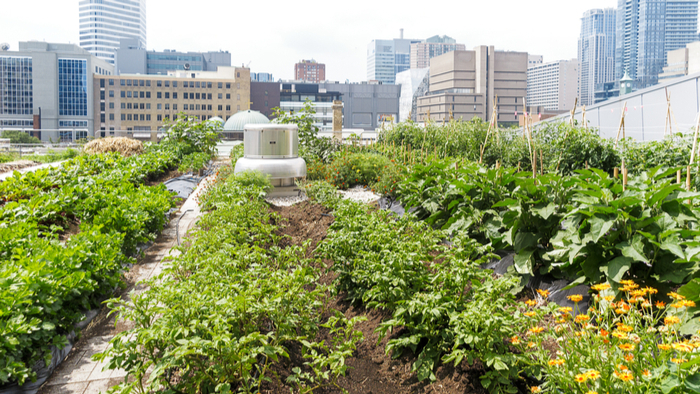
Thriving Solutions’ strategic consulting and coaching services are focused on food security, urban food systems. We are passionate about ensuring that food systems are nutritious, safe, affordable, regenerative, circular, stable, equitable, sustainable and resilient. We partner with governments, for-profit/non-profit institutions and development programs to help understand the challenges, define the vision and deliver impactful interventions in food policy and to create a circular economy in food system management. Our aim is to help shape food systems in ways that improve the lives of people and advance sustainable cities, while ensuring the sustainability of the natural environment. Our key areas of interest: healthy diets, reducing food loss and waste and building climate smart food systems. Strategic consulting services Include: Strategy development, including facilitating work groups to develop shared visions, strategies, frameworks and intervention. Policy review identifying current status, synergies, trade-offs. Conducting research to characterize the targeted food system and understand challenges, critical issues, drivers, gaps, trends, barriers to change as well as incentives and opportunities. Conduct rapid impact evaluations of promising urban food interventions. Carry country and institution level audits to identify food loss and waste hotspots and interventions needs and points. Formulate implementable programs and interventions that deliver impact. Identify and engage potential partners and facilitate building the required alliances and advancing urban food investment. This may involve using crowdsourcing techniques and exploring opportunities towards citizen science. Develop monitoring and evaluation frameworks. Conduct program evaluations to draw lessons learned.